



ETI - Bring Back the Blue Skies!
With increasing evidence, daily, of the twin perils of declining fossil fuel stocks and the increasing risk of catastrophic climate change/air pollution, there has never been a more urgent need for safe, efficient and effective means of improving the performance of internal combustion engines - of all types and sizes.
Welcome to the solution - Combustion Enhancement!
In markets from China, to India, to Indonesia and in countless other countries where air pollution has become a genuine health crisis, governments and businesses are desperately looking for ways to reduce air pollution, without strangling their economies!
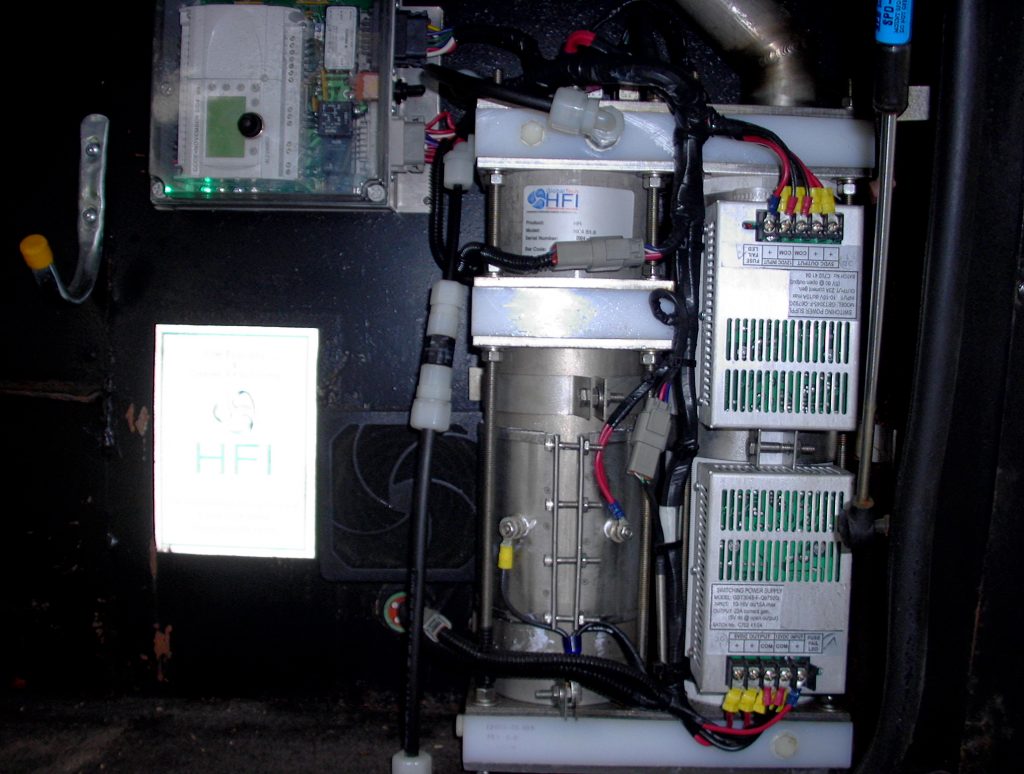
The ultimate goal would be the complete elimination of fossil fuels and replacing them with hydrogen, but that won't be a practical consideration for many years. In the meantime, there is proven technology that can add hydrogen, to existing engines, to dramatically reduce tailpipe emissions and actually increase the efficiency of the engine! Called Combustion Enhancement, it involves using a small amount of electricity to split water into hydrogen and oxygen and then deliver those gases directly into the air intake of an engine, where they mix with the fossil fuel.
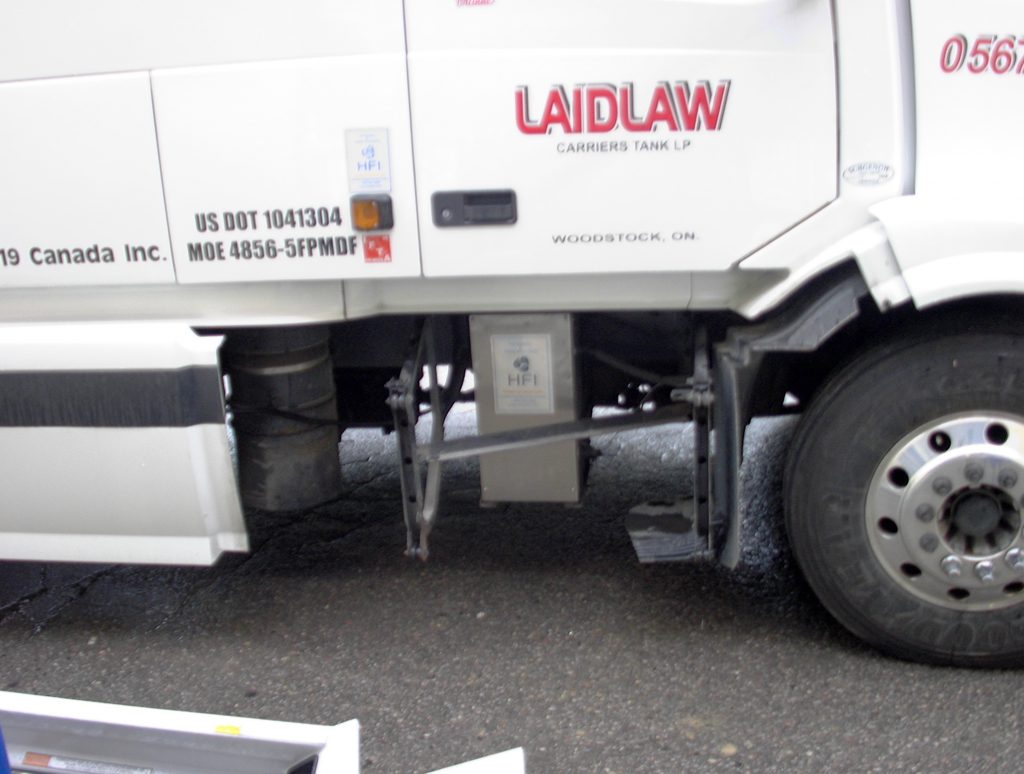
The development of ETI's product, the E2, began in 1979. The E2 enhances any fossil fuel (diesel, gasoline, propane, natural gas) or bio-fuel (biodiesel, ethanol). The addition of hydrogen and oxygen alters the initial stages of the traditional combustion dynamic, resulting in more complete combustion. The net effect is to alter the time at which heat energy is released relative to the power cycle. The result is an increase in the overall efficiency of the engine. Increased engine efficiency decreases fuel consumption, emissions and maintenance expenses, while improving horsepower and torque.
Increased Horsepower
Increased Horsepower
Increased horsepower and torque
Lower Fuel Costs
Lower Fuel Costs
Trading Credits
Trading Credits
Eligible, in certain markets, for emissions trading credits.
Lower Exhaust Emissions
Lower Exhaust Emissions
Longer Engine Life
Longer Engine Life
Cheaper Upgrading
Cheaper Upgrading
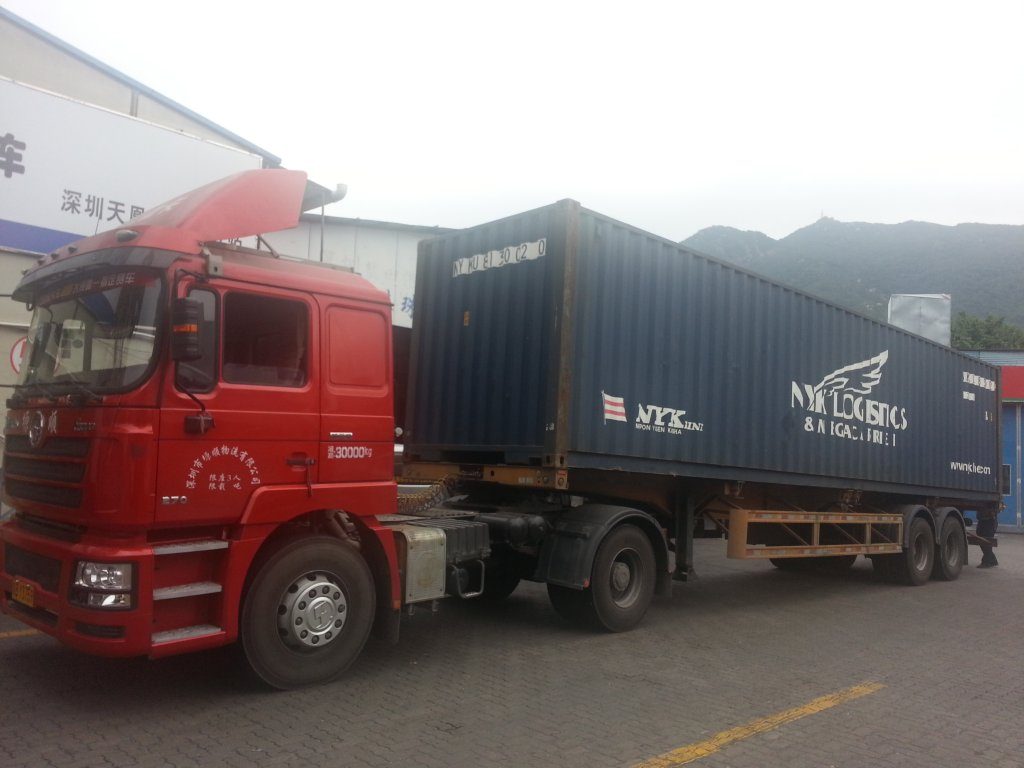
A much more economical way of bringing older trucks and buses in line with tighter emissions regulations.

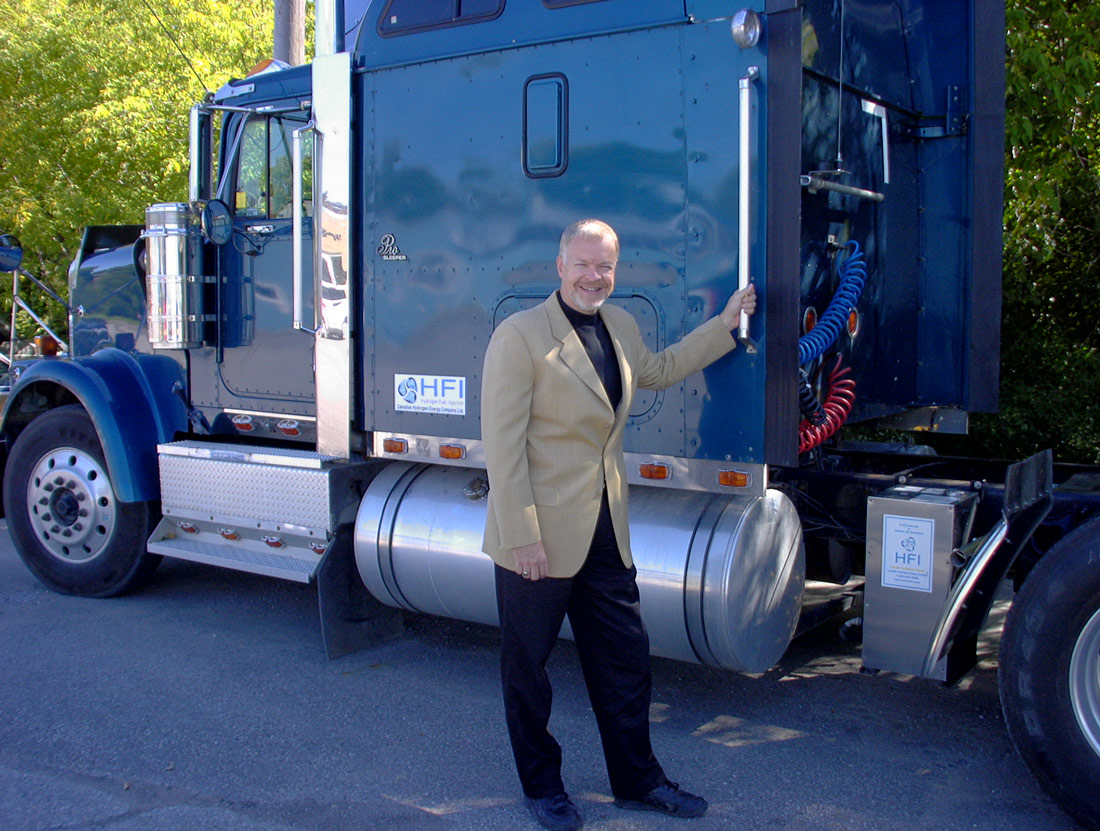
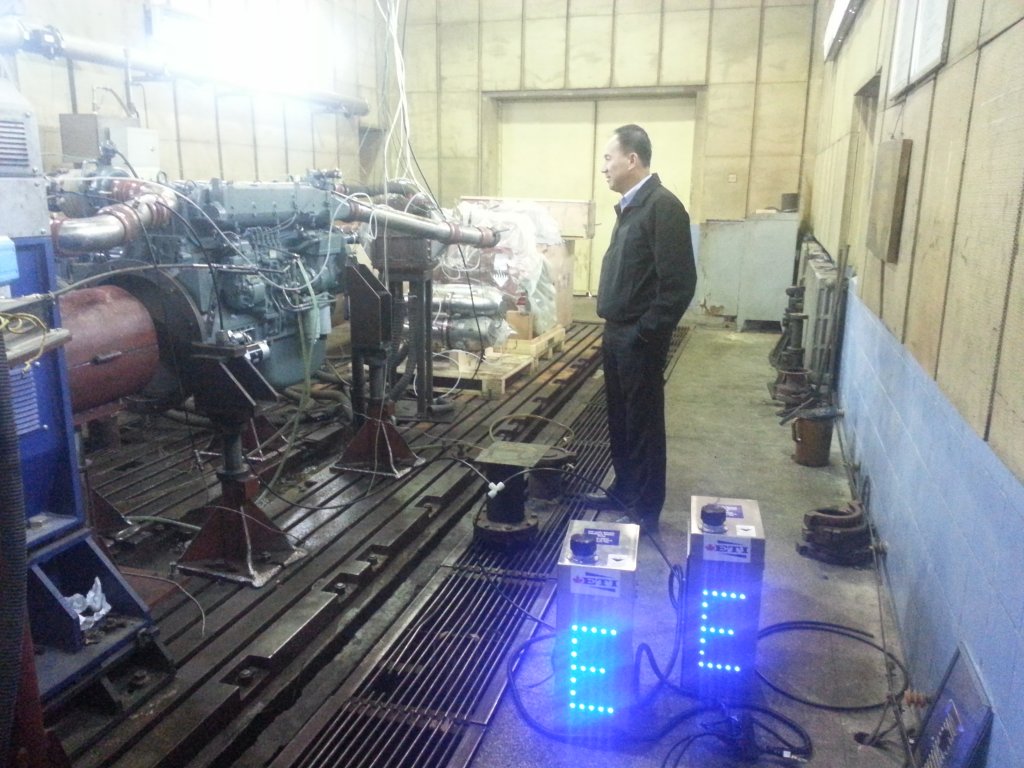
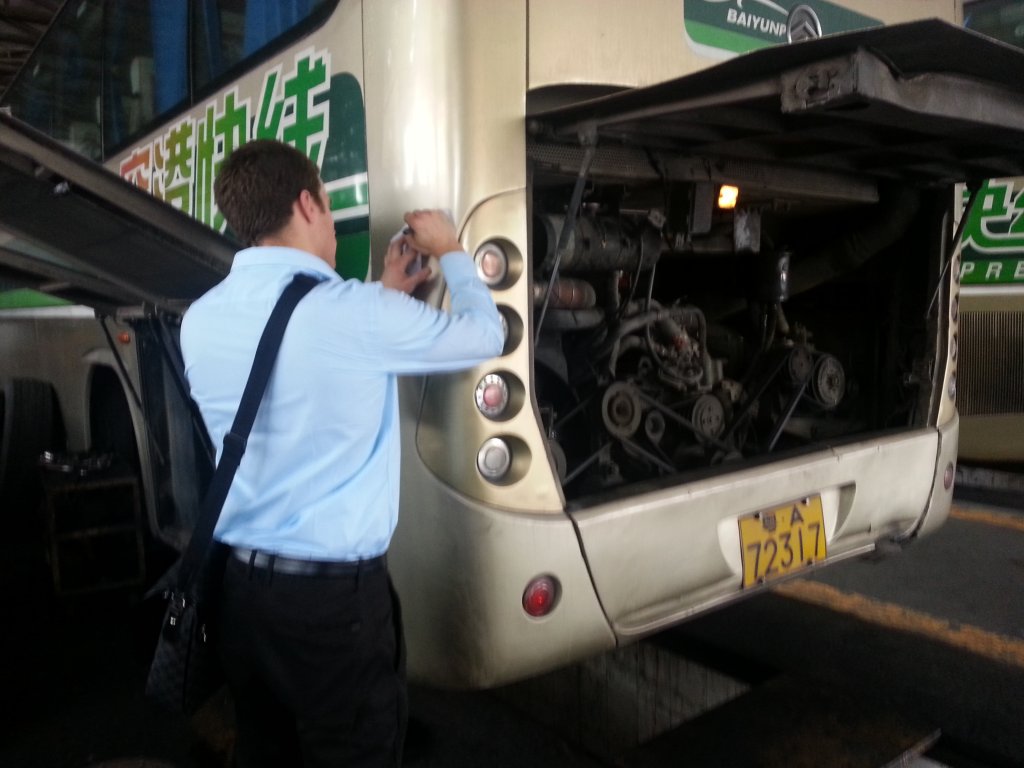

ETI Emission Technologies International
ETI, based in Ontario, is a privately held Canadian corporation that specializes in the development of on-demand hydrogen-generating technology designed to increase the efficiency of virtually any combustion process.
For more information please contact:
Sales & Product Info
James Ngai
1-416-726-2383 or james@etiglobal.org
Marketing
sales@etiglobal.org
Emission Technologies International Limited